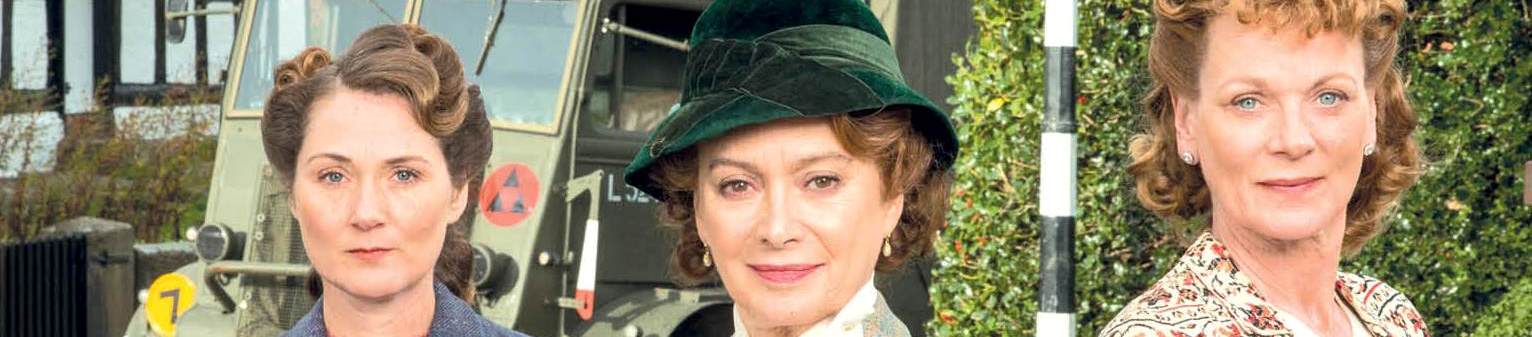
By the summer of 1940 Britain stood alone on the edge of Europe with nothing to protect her apart from the Channel.
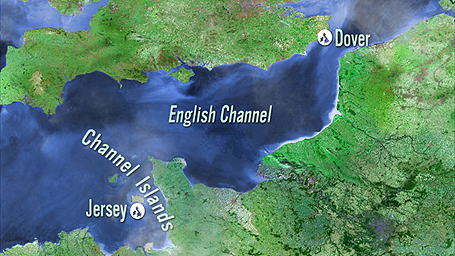 This is an oft stated fact that has become entirely accepted by the majority of people. But is it true? Strictly speaking, yes. Geographically we stand on the edge of Europe and always have done. There is nothing new in that claim. But the implication here when set in the context of the early summer of 1940 is that plucky little Britain with its population of 38 million standing shoulder to shoulder faced the threat of a German invasion entirely alone and with no support from anyone. That is the bit that is not true and it does history a great disservice to ignore the massive contribution made by our friends and allies both that summer and in subsequent springs, summers, autumns and winters that followed.
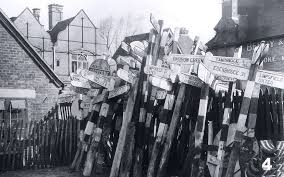
By the time the Battle of Britain took place, London was host to seven foreign governments-in-exile and the hot-headed French General, Charles de Gaulle, had arrived as well. None of them came empty handed.

The Norwegian government lent the British more than 1,300 vessels from their fleet, the fourth largest and most modern merchant fleet in the world, which sailed with the Atlantic convoys for the whole war. In 1941 a British official declared that the Norwegian merchant fleet was worth ‘more than an army of a million men’. That was an enormously valuable contribution and one that was not without risk. Many Norwegian sailors would lose their lives in the heaving seas of the submarine-ridden North Atlantic. In addition, King Haakon of Norway brought 1400 soldiers, 1,000 sailors and a small number of pilots that grew rapidly over the next few months.
The Belgians donated their substantial gold reserves and over the course of the war shipped 1,375 tons of uranium from their stocks to the USA to fuel the Manhattan project.
The Dutch government and their magnificent Queen Wilhelmina, who was described by Churchill as ‘the only real man among the governments-in-exile in London’ brought six hundred ships from its mercantile fleet and rich resources from the Dutch East Indies.
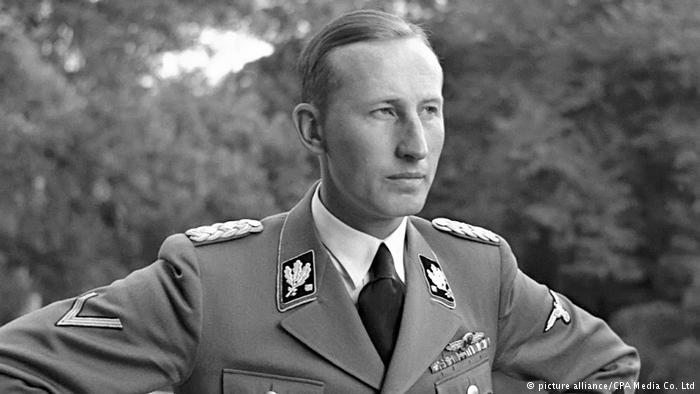
The Czechs brought brilliant intelligence from inside Nazi Germany. Their main agent, A54 as he was always known, was a high-ranking Abwehr officer who divulged highly valuable secrets until his eventual capture in 1941. He told the Czechs about the build up of Goering’s Luftwaffe, he gave them the code for German wirelesses in 1938. It was a sinister code: Heil 15 März and a week before Prague was invaded (on 15 March 1939) that the Germans had been instructed to round up all intelligence officers and treat them with great harshness. His warnings helped the intelligence services to evacuate to London the night before the invasion. In 1942 two Czech agents carried out the most audacious assassination of the highest ranking Nazi to be murdered: Acting Reichsprotektor Reinhard Heydrich. The agents were trained in Britain and flown to Bohemia by the RAF. Our past is inextricably linked to the former Czechoslovakia.
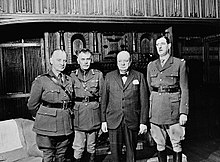
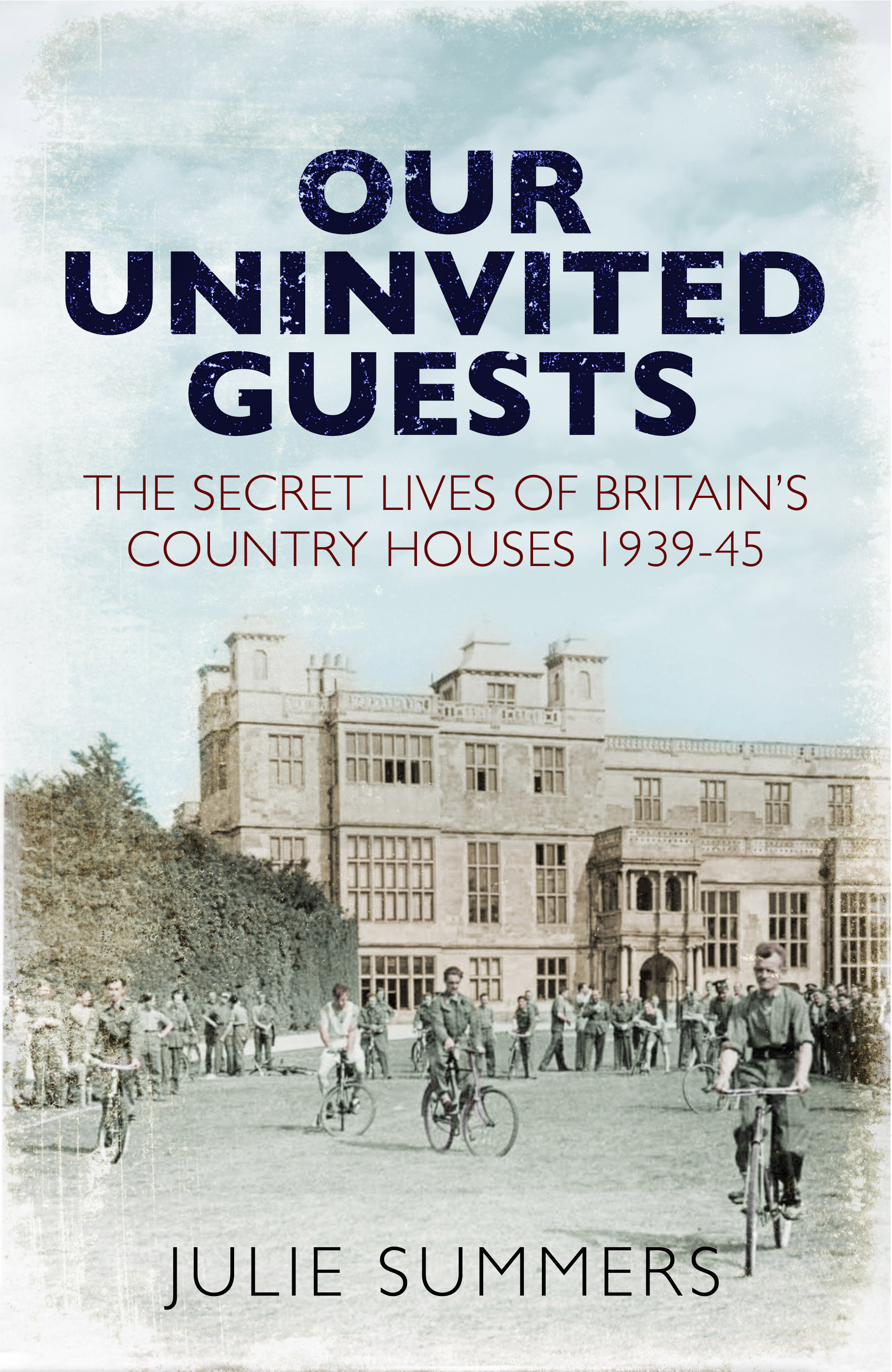
Charles de Gaulle’s contribution would take longer to materialise but his presence in London cannot be underestimated. Churchill, passionately supportive of the French, gave de Gaulle every encouragement as he gradually built up the Free French army and encouraged the development of the Resistance. Many of the agents were trained in Britain and used safe houses all over the country, including one in Sussex which features in Our Uninvited Guests, to stay while waiting for flights into occupied France.
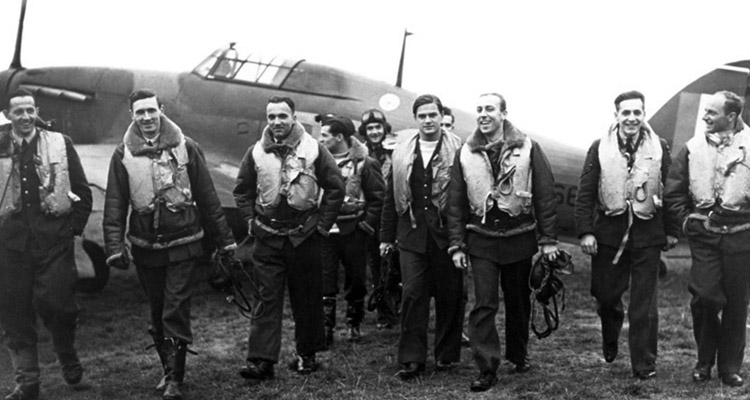
The Poles brought fighter pilots among a total of 8,000 airmen and 20,000 soldiers as well as hundreds of sailors manning three destroyers, two submarines and a number of smaller vessels. By the end of the war the Polish were the fourth largest Allied Force after Russia, the USA and the British Empire. Critically they also sent an early decoded version of the Enigma machine. Yes. That’s right. Enigma. You know, the one that we make so much of. It was the Poles in 1932 who first worked out how to use the German Enigma machines and they had been reading German messages for the greater part of seven years by the time the war broke out. I’m not saying the coders at Bletchley Park could not have done their work without Polish help but it might not have happened so quickly. We owe the Poles far more than we ever imagine. That is why I have dedicated my new book to them. They might have been Uninvited Guests but they were brilliant guests to have on our side.
Until the entry of the USA into the war, Britain relied extensively on this generous support from its continental allies. We owe them an enormous debt of thanks and that is why they are all mentioned in Our Uninvited Guests.

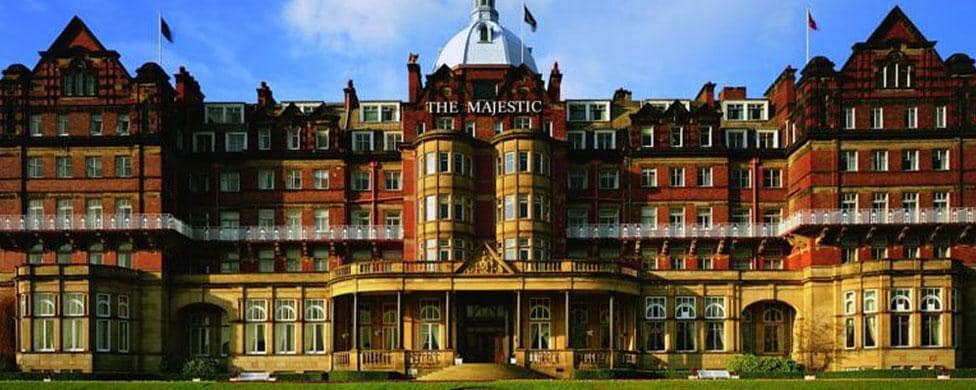
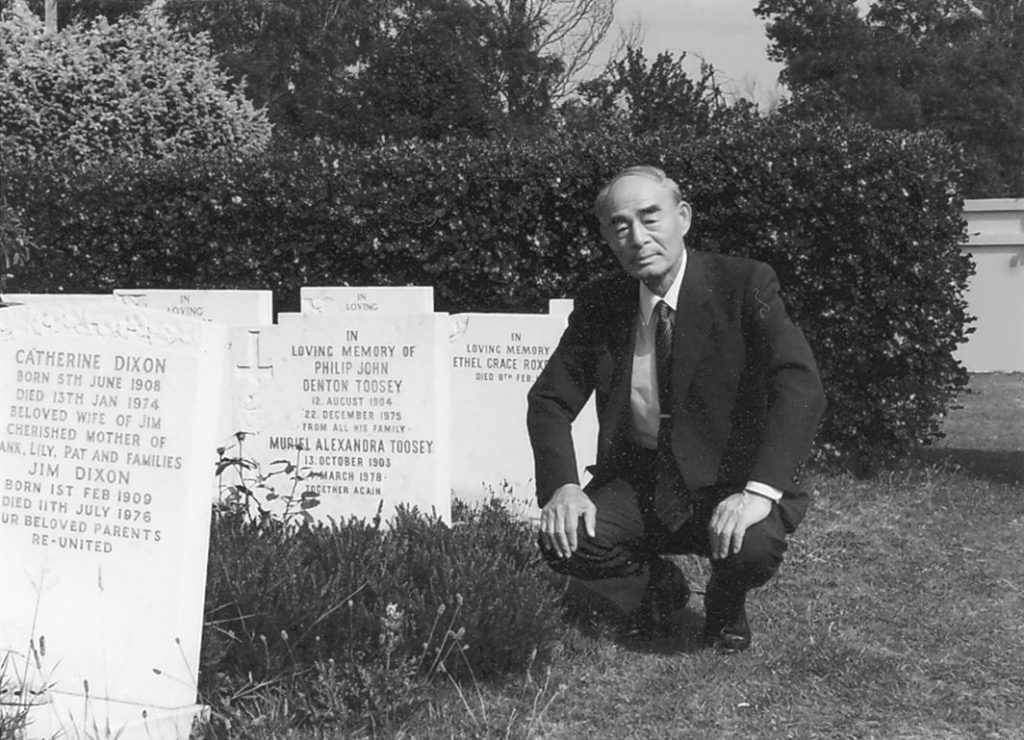
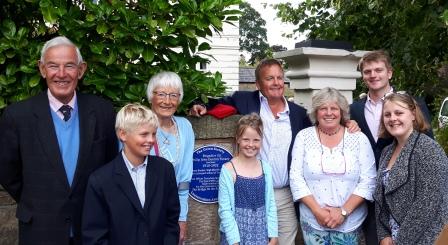
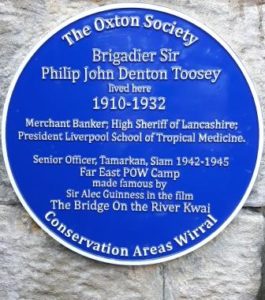 he transcript of a speech I gave to mark the unveiling of a blue plaque at the gates of the house where my grandfather lived in the early twentieth century. The people of Merseyside voted him the person most deserving of recognition. There was a huge turnout of Toosey relatives as well as two former prisoners of war, Maurice Naylor (96) and Fergus Anckorn (98) who unveiled the plaque. My son Richard read the words of the Japanese camp guard.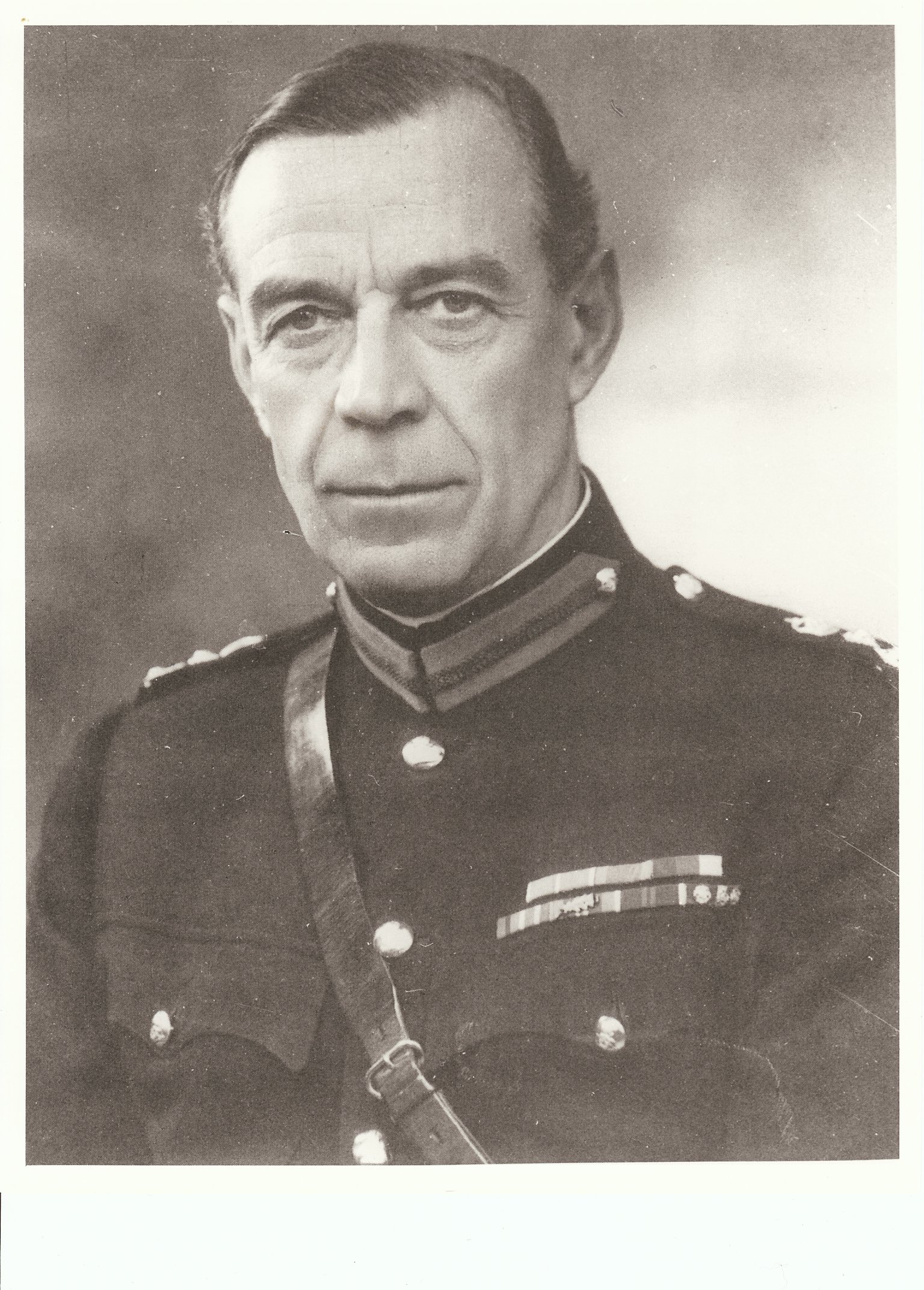
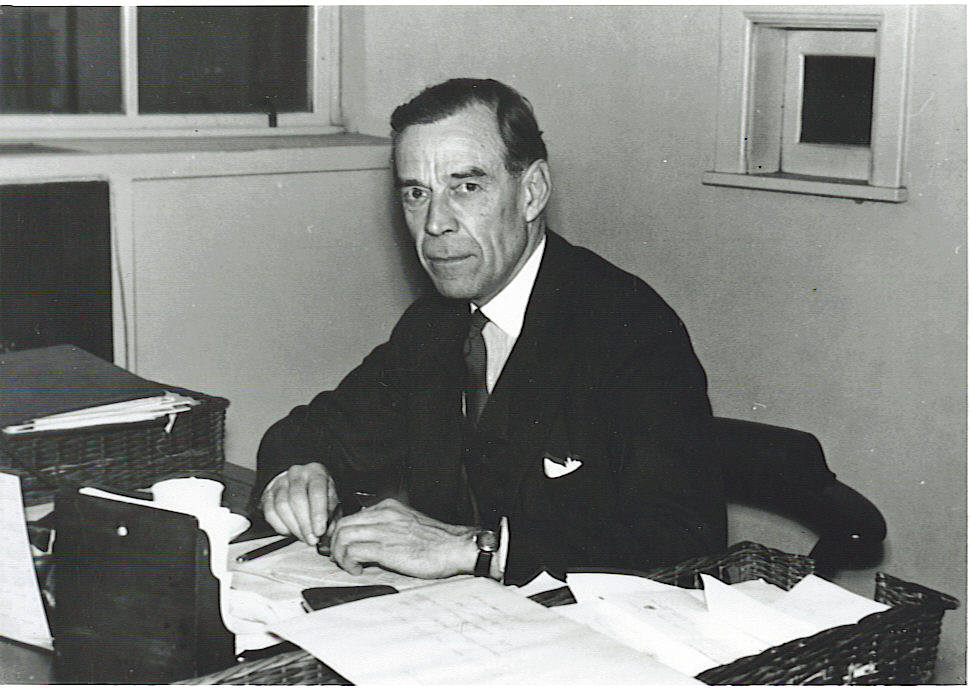
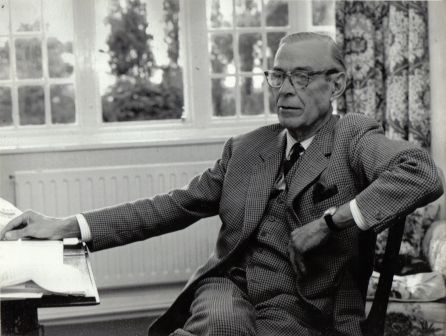
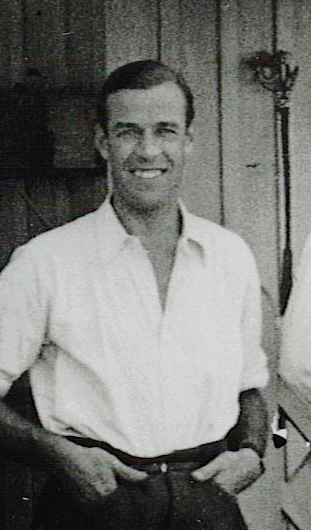 He was more than his title would suggest. His kindness, his delicious sense of humour, his repertoire of whistles and his passion for life never waned. He shared this passion with all who came into contact with him. To his friends he was Phil, and sometimes ‘Dear old Phil.’ To his wife, Alex, he was Philip with a particularly plosive P when she was cross with him. To his three children, Patrick, Gillian and Nicholas he was ‘The Captain’,named after Captain William Bush RN, a fictional character of extreme efficiency and loyalty in CS Forester’s Horatio Hornblower series. Thus to us his grandchildren he became Grandpa Bush. To his men he was the Colonel and later The Brig and to the thousands of people he met over the course of his working life he was simply Mr Toosey.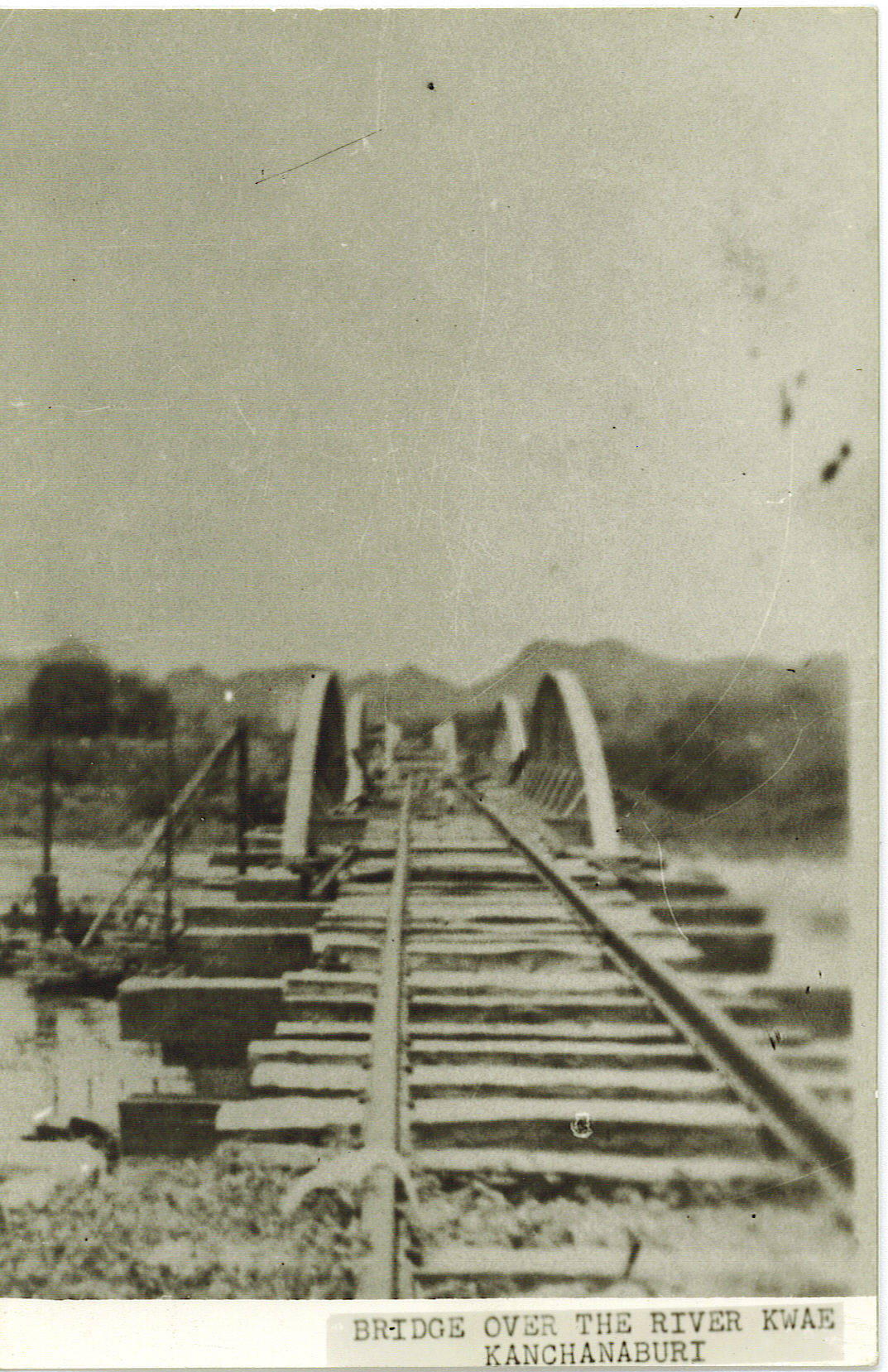
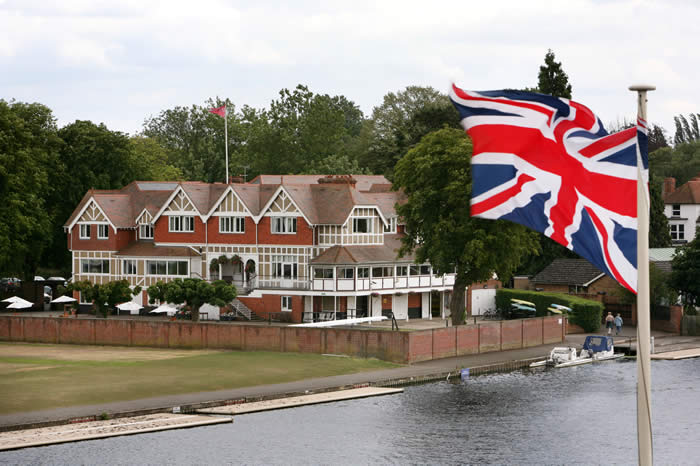
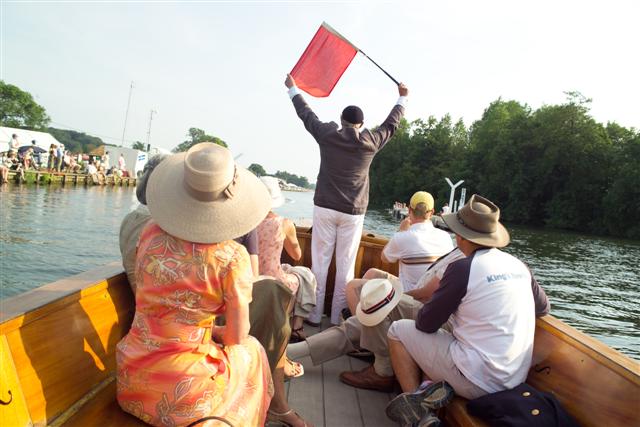
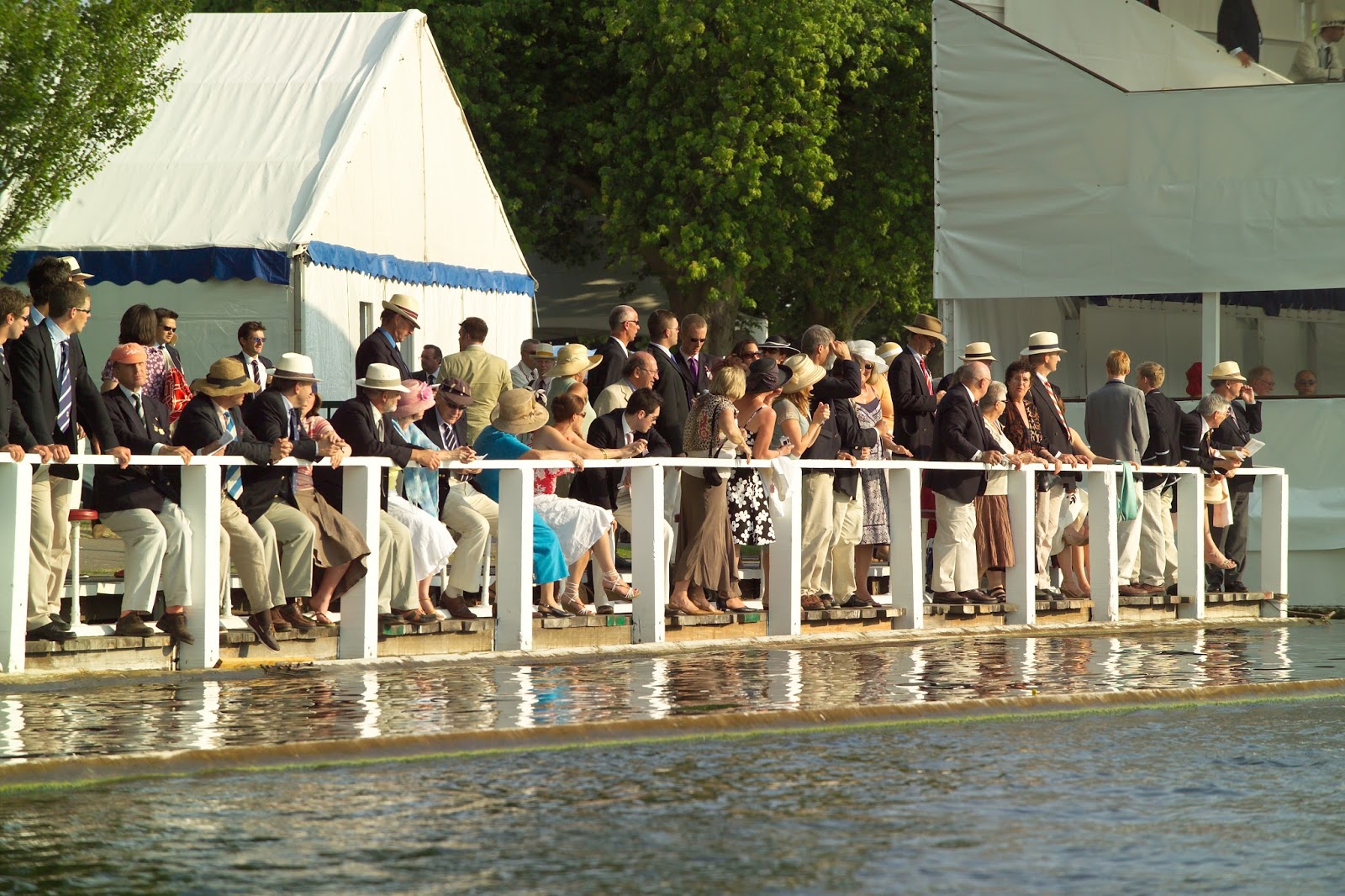
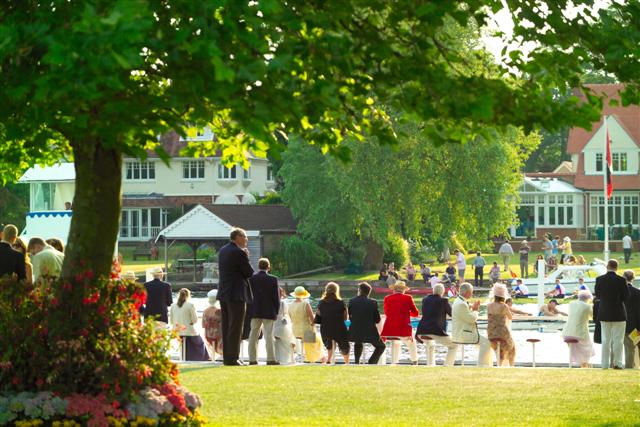
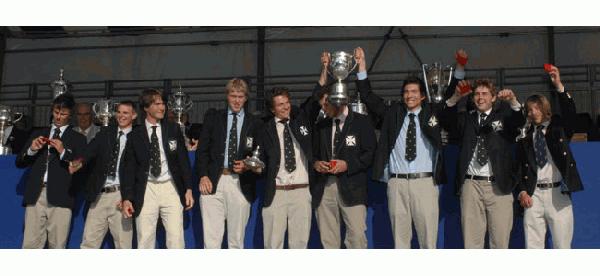
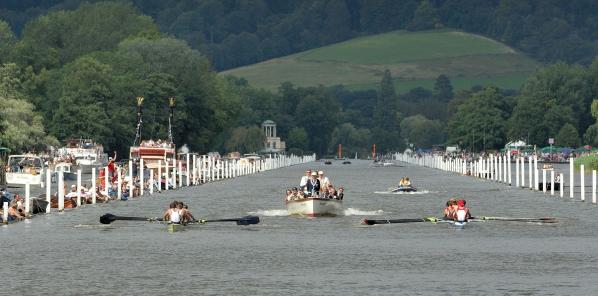 The two boats cross the line neck and neck. Then there is silence. The commentary ceases and the Finish Judge has to make his call. The wait seems interminable, time stands still. Then: The result of the Final of the Princess Elizabeth Challenge Cup was that Shr …. No need for the rest: the name of the winning crew is always announced first. The grandstand explodes in ecstasy … the verdict, one foot. More cheering. The narrowest, the shortest, the tiniest of winning margins imaginable, less than a sixtieth of the length of the boat.