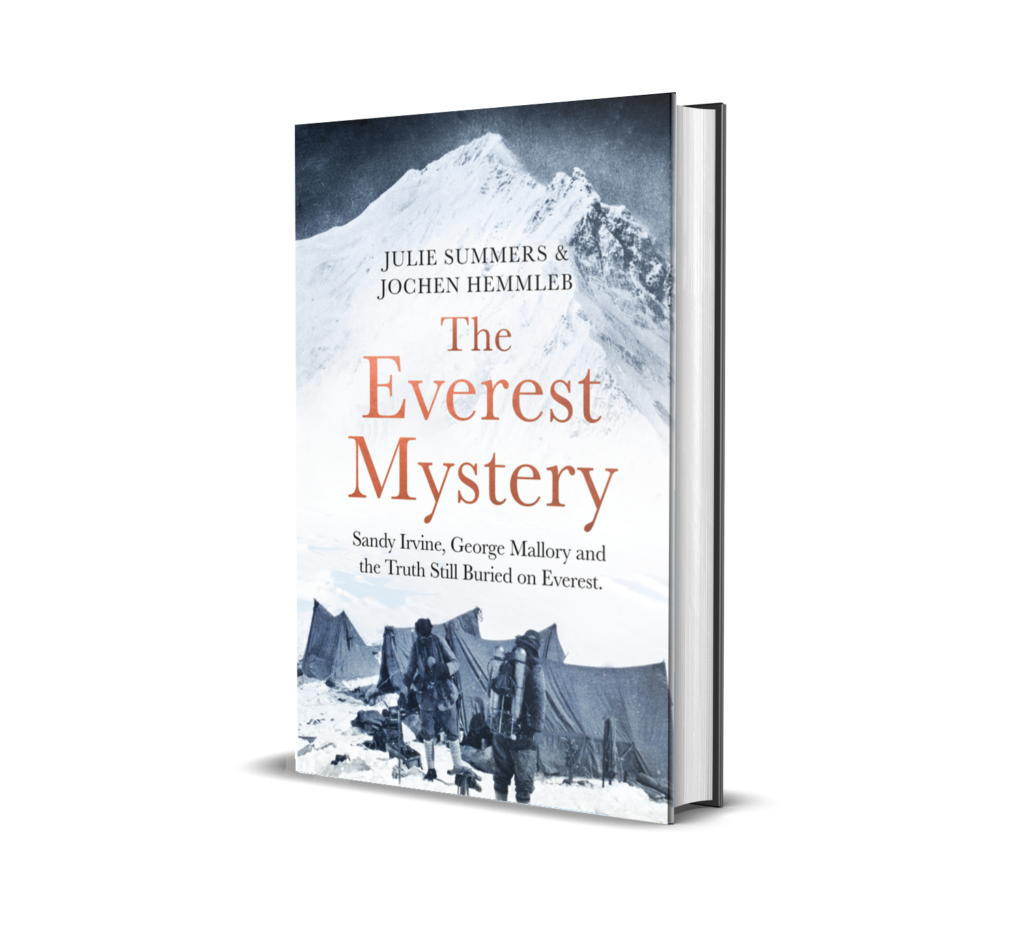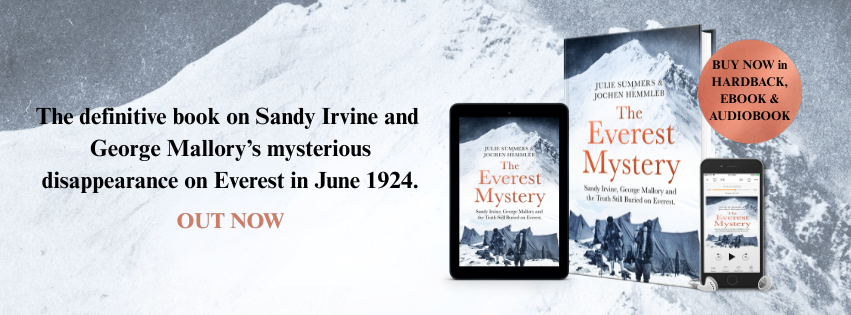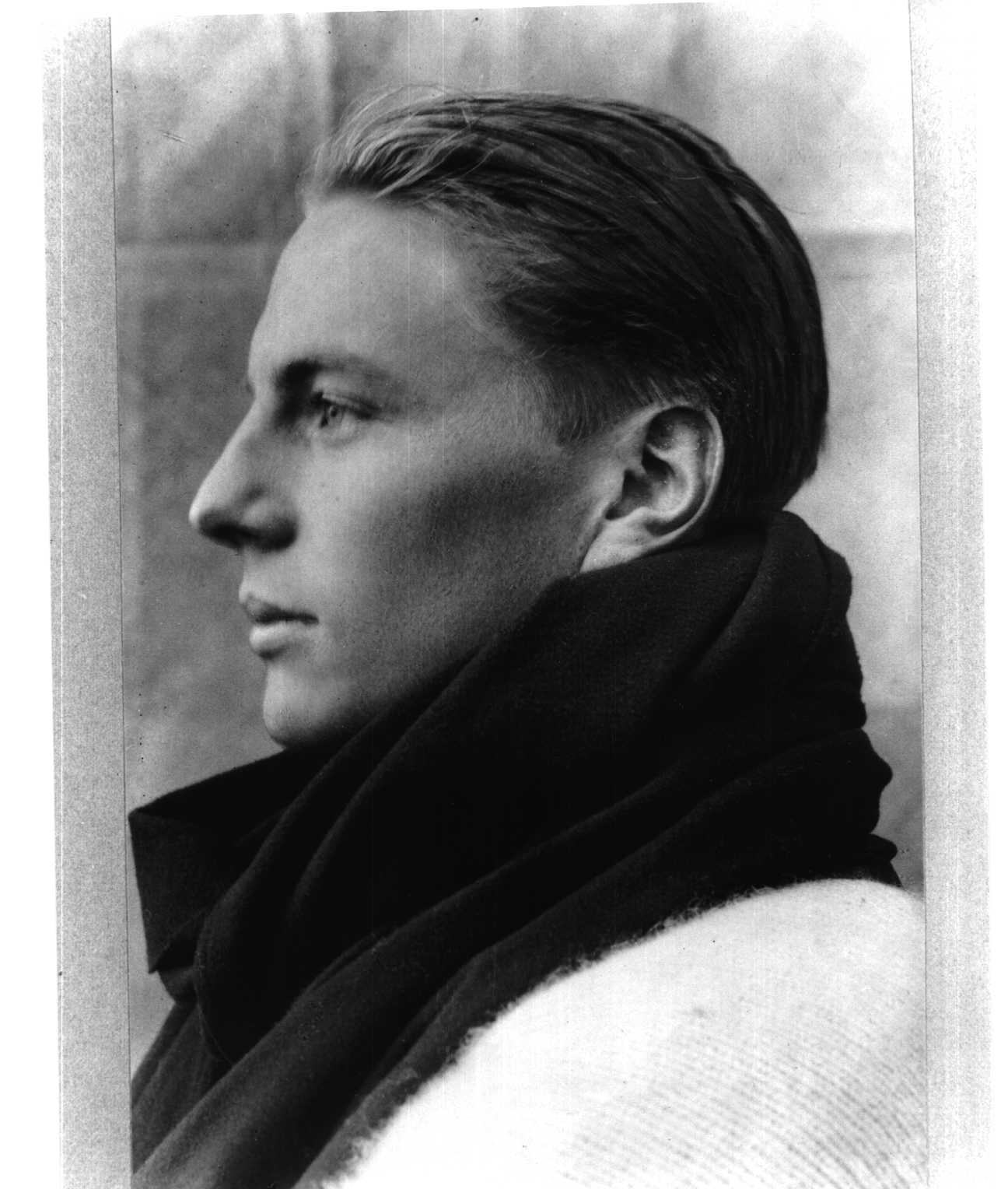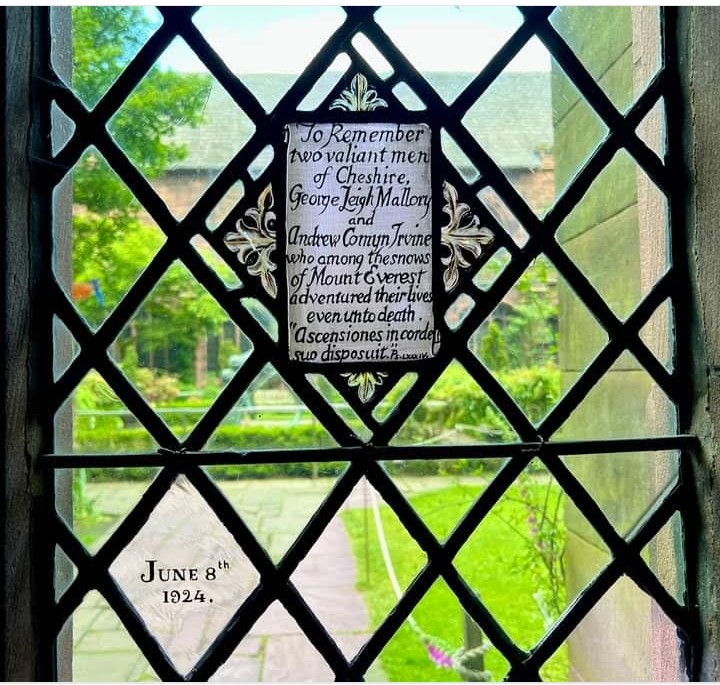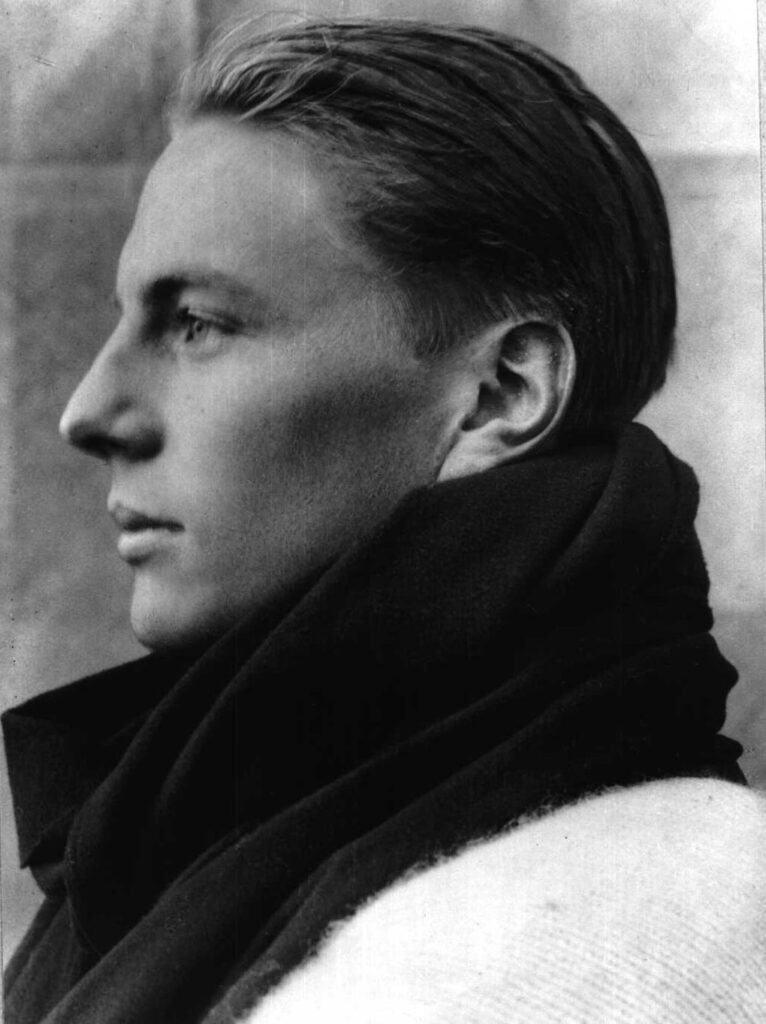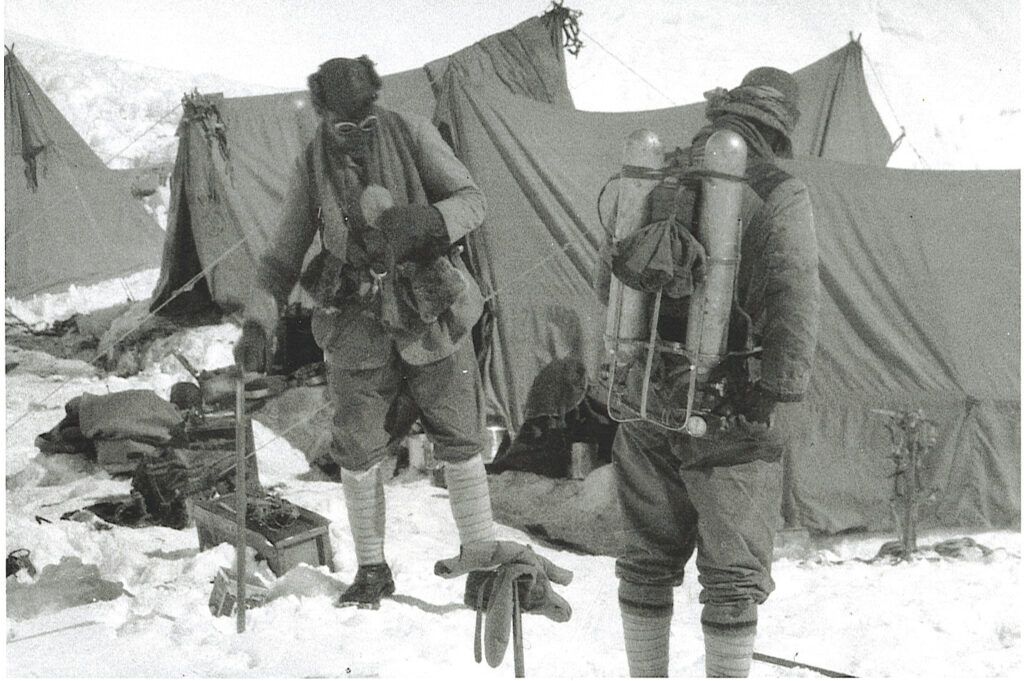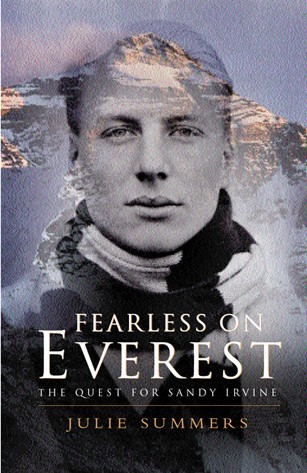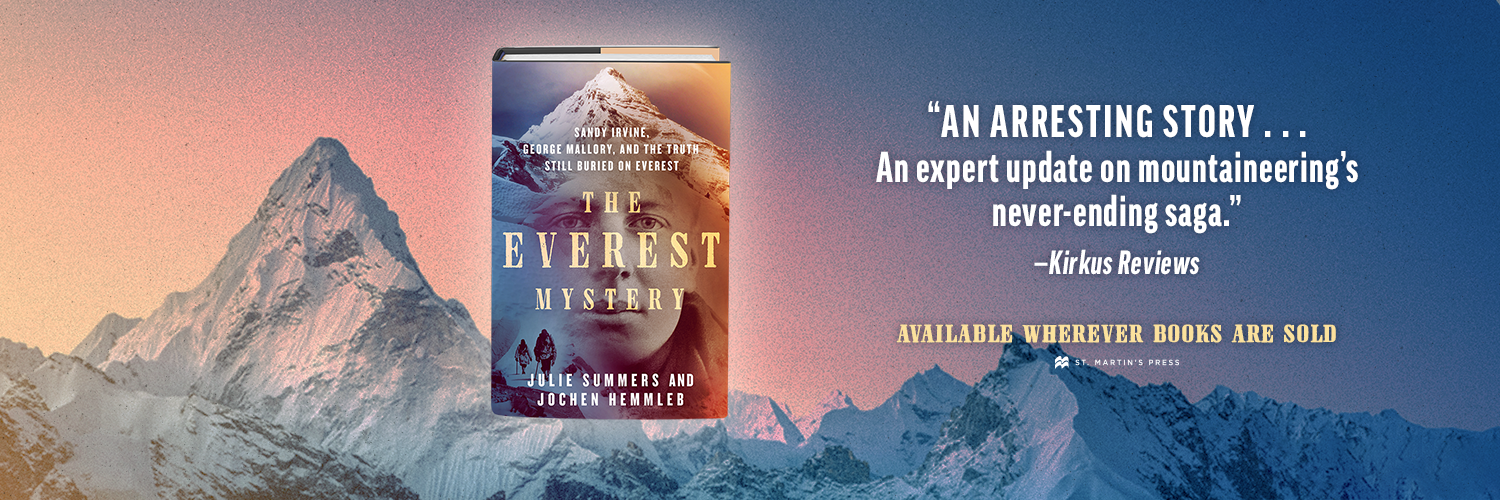
Often it is useless to ask: ‘what if’?’ but I thought I’d indulge in a little speculation as Jochen Hemmleb’s and my book The Everest Mystery is launched in the United States and Canada. Working with Jochen has been a fantastic collaboration and it has left us both with residual curiosity about the fate of Sandy Irvine and George Mallory. For Jochen there are still unanswered questions about the final climb. For me there is an appetite to delve deeper into our research about Sandy’s life and personality and to ask that question: what if he had returned from Everest?
With my knowledge of our family history and with the few hints he dropped in the last year of his life I feel I have some understanding of who he was and what he might have become. Had he returned in 1924 he would have arrived in Britain in August, six weeks before the start of the autumn term at Oxford. If he and Mallory had succeeded in reaching the summit of Everest, they would have become national heroes, and Mallory’s life would have changed out of all recognition. His dream fulfilled, he would have had the fame to make a career out of his success and to give Ruth, his wife, the life she and the children deserved. Sandy, too, would have found fame but it would have been limited by his age and his need to complete his education. The idea of a professional climber or explorer lay years in the future and sponsorship for a lifestyle was not invented until the seventies. Had they not succeeded but nevertheless held the altitude record for this highest climb on Mount Everest to date, that would still have had some impact on their standing.
So either way, summit or not in his bag, Sandy would have come back to Britain and spent most of the summer with his family in Birkenhead or in the Lake District. In October he would have caught the train to Oxford for his final year studying Chemistry at Merton College. His friends would have welcomed him back into the Boat Race squad and he would have been in the running to become president of the all-important Oxford University Boat Club. The crew raced again in 1925 and sank. The weather was atrocious and their boat became waterlogged. Cambridge clocked up yet another victory. I don’t believe Sandy’s presence in the boat or his leadership of the club could have overturned that result, but he would have given it his best.

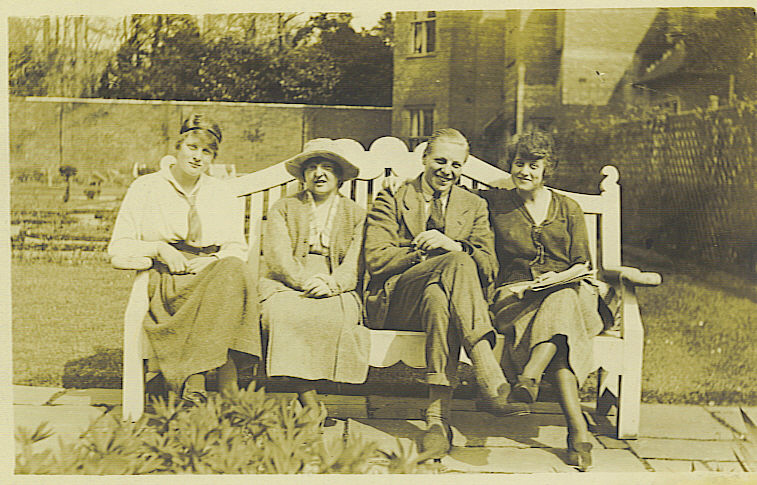
Life after Oxford was always going to be a challenge for Sandy. His love affair with Marjorie was still a live issue. Harry Summers had made it clear he would have to cite Sandy in the divorce proceedings against his wife and that disgrace would have hung heavy over the then twenty-three-year-old. My best guess is that he would have been gently encouraged to leave the country until things died down, not least to avoid bringing embarrassment on his sister, Evelyn, who was about to marry Dick Summers, Harry’s youngest son. So a career abroad might have been an option. George Binney, who had led the Spitsbergen expedition in 1923 and was a friend and fellow Mertonian went to work for the Hudson Bay Company. Sandy might well have found an opening there and with his Everest fame in his pocket he would have been welcomed.
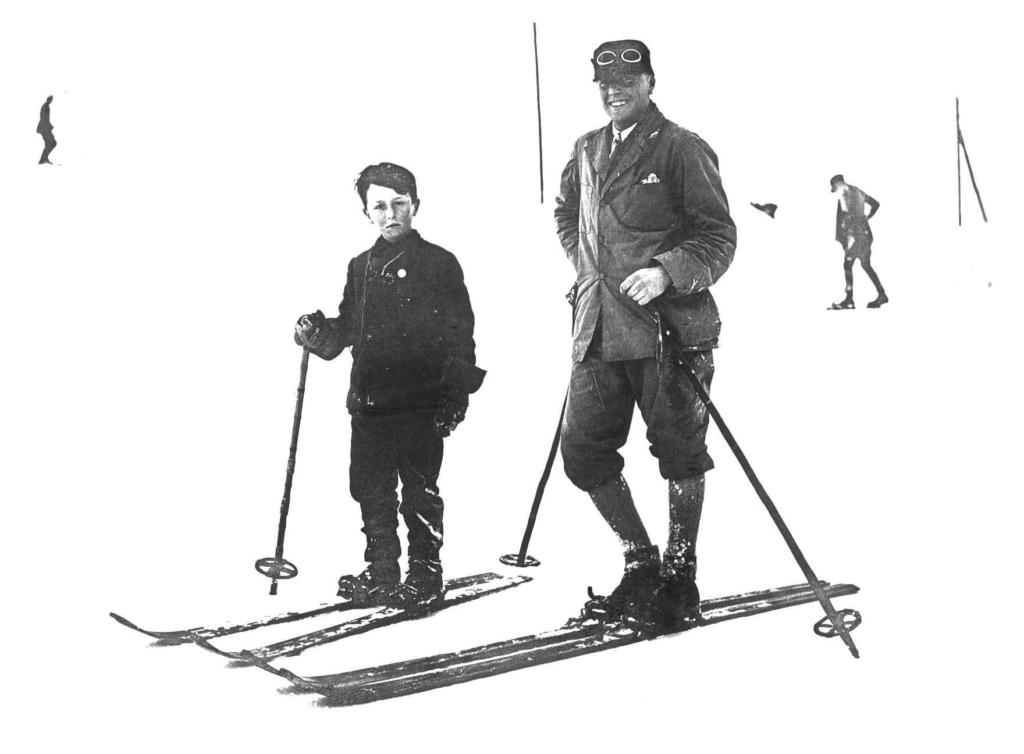
The magnificent landscapes and mountains of Canada and North America would have been a playground for our adventurous spirit. He left us a clue about this in his letter to Arnold Lunn from January 1924 when he wrote: ‘When I am an old man I will look back on Christmas, 1923, as the day when to all intents and purposes I was born. I don’t think anyone has lived until they have been on ski.’ I think that, more than anything else, gives us the clue into his passion for adventure but, and this is important, not necessarily mountaineering. Skiing in North America would have offered him a marvellous opportunity to get into the sport but also to do some proper winter exploration in the back country. Had he been invited to join an expedition to Everest in the late 1920s I suspect he would have accepted. By 1933, when the next British expedition launched, I believe his interests would have moved on elsewhere. He was not a man to look back over his shoulder. It’s just a hunch and Jochen agrees with me.
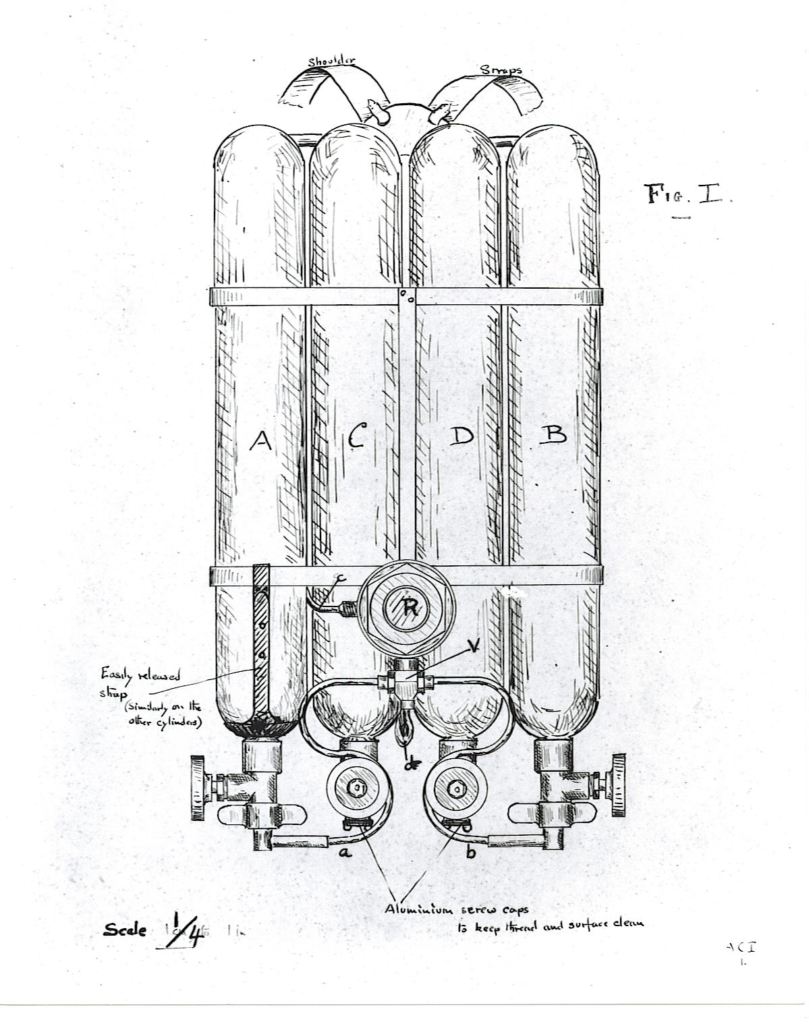
Of one thing I am confident, Sandy Irvine would have gone on finding engineering solutions to any number of problems. I hope it would have taken him towards a life of invention and investigation because his problem-solving brilliance would have been hugely valuable during the Second World War. I’m fairly sure he would have wanted to come back to Britain to ‘do his bit’ as the expression goes. Harry Summers died in 1940 and it was sixteen years since the scandalous divorce so that would not have been an impediment.
Would Sandy have married? Unlikely but possible. I suspect if he did marry it would not have been to Audrey Pym, his adolescent sweetheart. His life would have led him out of her orbit as he set off west. He would definitely have been the most popular uncle in the Irvine family and one whose stories, told in his quiet manner but accompanied by his twinkling eyes and ready smile, would have enchanted children for many years. After all, his life has done that although it was cut short at twenty-two. Just imagine how many more tales we would have had to enjoy had he lived to become an old man.
So while our book is finding its feet on bookshelves in shops, and hopefully homes too, we would like you to imagine that you can get to know Sandy Irvine and perhaps have your own ideas about what might have been had he made it home safely in 1924.